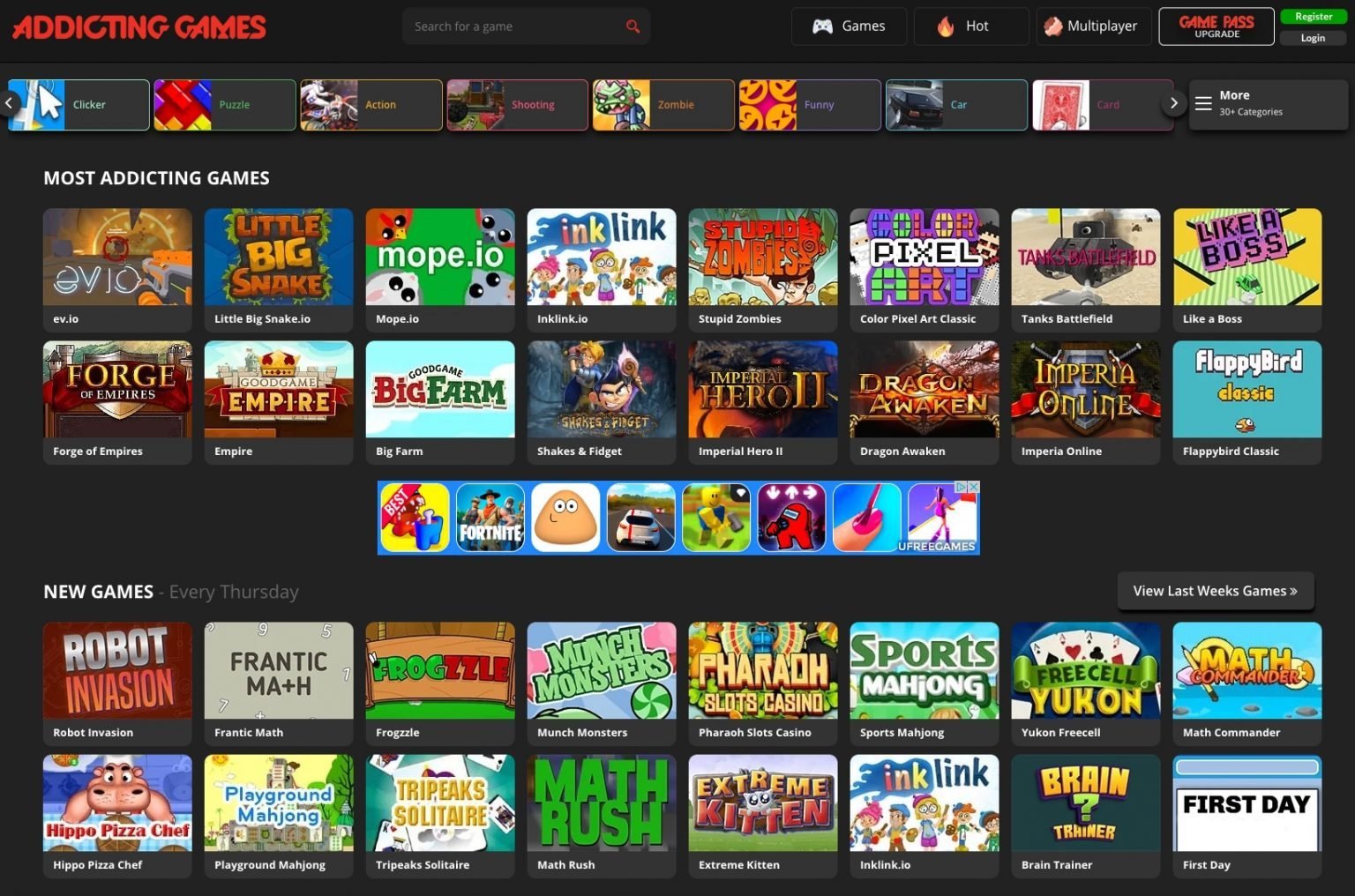
Addicting Games launched in 2002 as a free browser-based gaming portal and quickly became one of the most visited destinations for casual online play. Its massive library of Flash and later HTML5 titles drew millions of monthly visitors at its peak. Readers exploring addicting games will also find context in Texto Invisible: How Hidden Text Shapes Digital Communication
How Addicting Games Started and Grew Into a Gaming Hub
The site was founded by a small team during the early 2000s, a period when browser-based Flash games were exploding in popularity across the internet. wikipedia.org/wiki/Defy_Media” rel=”noopener noreferrer” target=”_blank”>Defy Media
By the mid-2000s, the platform had secured a prominent place in the casual gaming ecosystem. It was acquired by Viacom’s MTV Networks division in 2005, a move that reflected the growing commercial value of online gaming portals at the time. The acquisition brought broader promotional resources but also shifted editorial priorities toward content that aligned with MTV’s youth entertainment brand.
Later, Defy Media took over operations and managed the site through a period of significant industry change. The decline of Adobe Flash, which was officially discontinued by Adobe in December 2020, forced the platform to migrate its library toward HTML5-compatible formats. This transition reshaped the catalog, as many classic Flash titles became inaccessible without emulation efforts. addictinggames.com/” rel=”noopener noreferrer nofollow” target=”_blank”>Free Online Games | Addicting Games has over 5000 Games
What Made Addicting Games Stand Out From Other Portals
Several factors distinguished addicting games from competing portals like Newgrounds, Miniclip, and Kongregate during the late 2000s and early 2010s. The site prioritized a clean, category-driven interface that let visitors find new titles within seconds. Its editorial team curated featured games prominently on the homepage, giving smaller independent developers valuable exposure.
The platform also invested in original content and exclusive titles, which helped build a loyal returning audience. Unlike some competitors that relied heavily on user-uploaded submissions, Addicting Games maintained a more controlled publishing approach. This curation model ensured a baseline level of quality and kept the experience accessible for younger players and casual browsers.
Community features, including user ratings and comment sections, added a social layer that encouraged repeat visits. Players could share high scores and challenge friends, turning solo browser games into shared competitive experiences. These engagement mechanics were ahead of their time and anticipated design patterns now standard across social gaming platforms.
What Is Confirmed and What Remains Unclear
What remains less clear is the exact scale of the site’s audience at various points in its history. Traffic figures reported by third-party analytics services varied widely, and the company did not consistently publish its own visitor data. The current ownership structure and operational status following Defy Media’s closure in 2018 are also not fully transparent in publicly available records.
Additionally, the full extent of the original Flash library that has been successfully preserved or converted to HTML5 is not publicly cataloged. Some fan-led emulation projects have attempted to archive these titles, but no comprehensive official inventory exists.
Why Independent Digital Media Matters for Readers
The story of addicting games illustrates a broader pattern in digital media. Online platforms that thrived during one technological era often face existential challenges when underlying technologies become obsolete. The Flash-to-HTML5 transition is a case study in how infrastructure decisions made years earlier can determine whether a platform survives or fades.
For readers interested in internet culture and media history, the platform’s trajectory offers lessons about curation, community building, and the fragility of digital archives. Millions of games created during the Flash era are now at risk of being lost entirely without active preservation efforts. Understanding how sites like Addicting Games navigated these shifts helps contextualize the ongoing debate about digital preservation and access to early internet culture.
Frequently Asked Questions
When was Addicting Games founded?
Addicting Games was founded in 2002 as a free browser-based gaming portal during the peak era of Flash-based online games. It quickly grew into one of the most popular casual gaming destinations on the internet.
Who owned Addicting Games at its peak?
MTV Networks, a division of Viacom, acquired Addicting Games in 2005. Later, Defy Media took over operations and managed the platform through a period of major technological change in the online gaming industry.
What happened to the Flash games on the site?
Adobe officially discontinued Flash on December 31, 2020, which rendered many classic browser games unplayable. The platform had to migrate its library toward HTML5-compatible formats, though not all original titles were successfully preserved.
Is Addicting Games still active today?
The current operational status of Addicting Games is not entirely clear from publicly available information.
How did Addicting Games compare to other gaming portals?
Addicting Games distinguished itself through curated editorial content, exclusive titles, and a clean category-driven interface. Unlike some competitors that relied on user uploads, it maintained a more controlled publishing model that ensured consistent quality for casual players.